







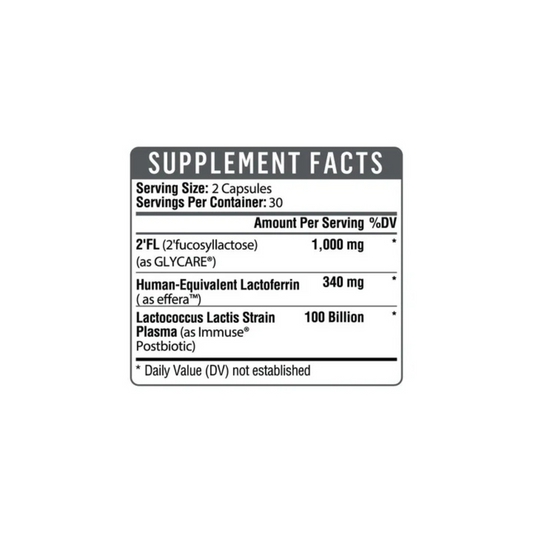





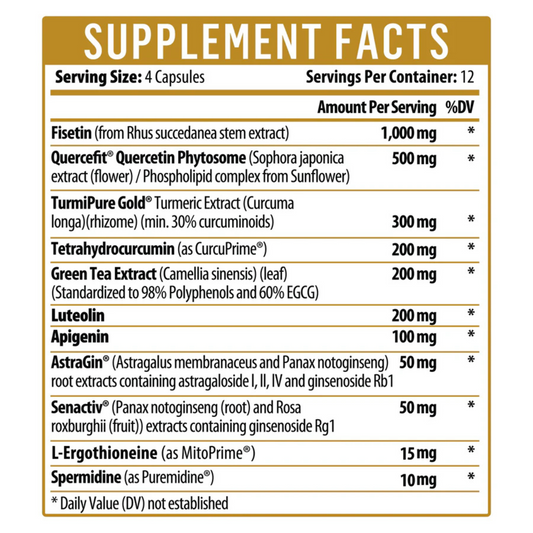

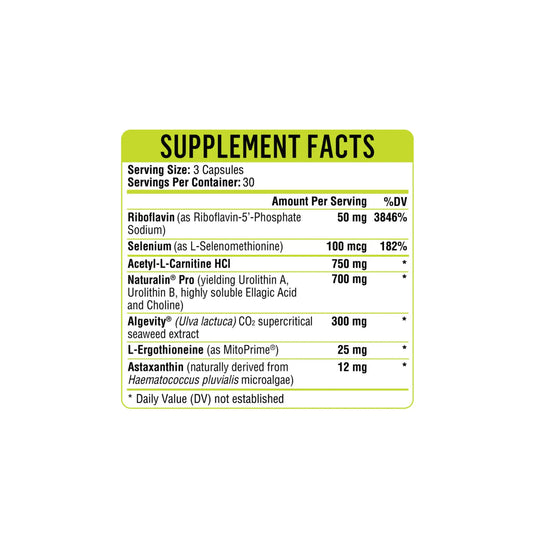
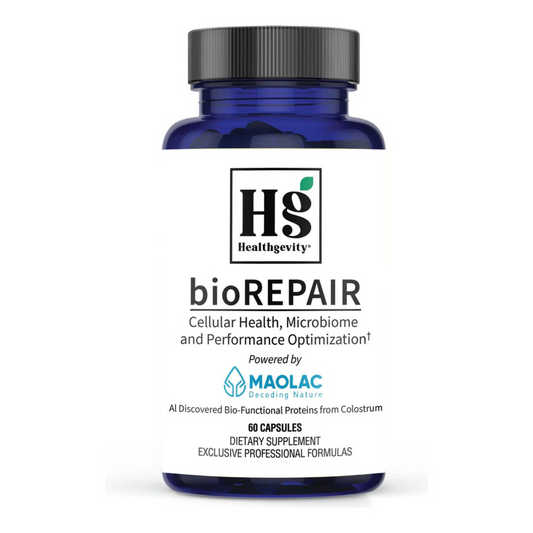
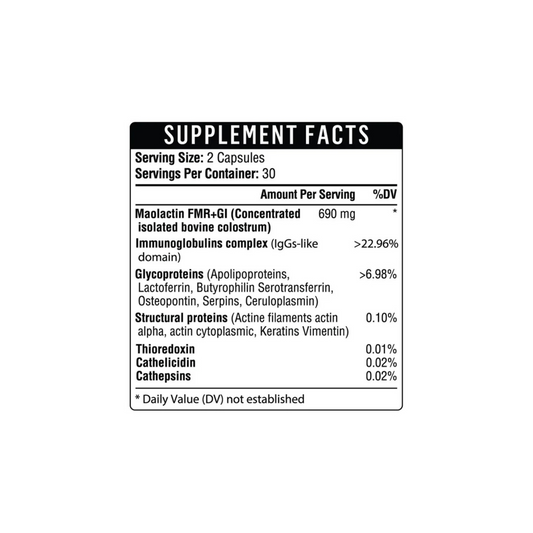

Unpleasant smell/taste. I just started so too soon to tell. It is meant to take place of my ADK and DIM SGS+ pills. All in one pill is a plus.
When I hit 70 I noticed a significant decline in daily energy
This would not do and I was directed to Regen for peptide support
Since beginning daily supplementation my energy levels have increased with a significant improvement in recovery time
Thank you for sharing your experience with Prime Strength+ by Healthgevity! We are so happy to hear that our product has helped increase your energy levels and improve your recovery time. We strive to provide the best support for our customers, no matter their age. Keep up the great work!
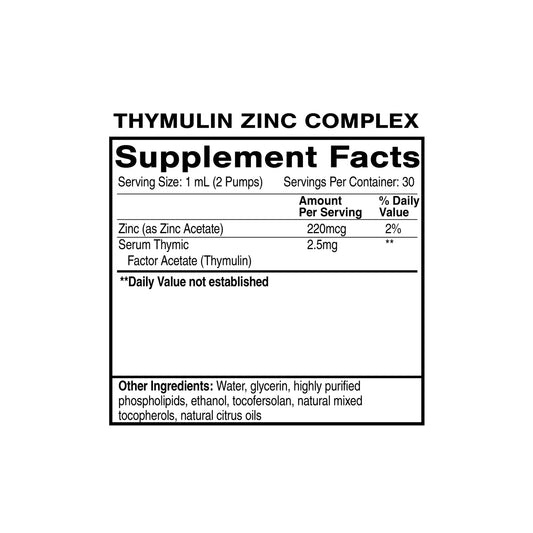
I had been doing thymullin injections at a functional medicine provider last year but had to discontinue them when I moved across the country. I have extra glandular Sjogren’s that has caused me to have low white blood cells, red blood cells, and platelets, and the thymullin injections had resulted in my blood cells to return to normal ranges for the first time in 10 years! However, two months after discontinuing the injections, everything dropped again. But, I recently found this thymullin peptide from Quicksilver and after one month of using it as directed, my blood cell counts have improved again! And without needing the painful intramuscular injections. My energy is better and my performance at the gym is better, too. I am so thankful I found this product!
Thank you for sharing your experience with Thymulin Zinc Complex by Quicksilver Scientific. We are thrilled to hear that our product has helped improve your blood cell counts and overall well-being. We understand how difficult it can be to find a replacement for in-person injections, so we are happy to hear that our product has been effective for you. Thank you for choosing Regen Wellness for your practitioner grade supplements. We appreciate your support and wish you continued success on your health journey.
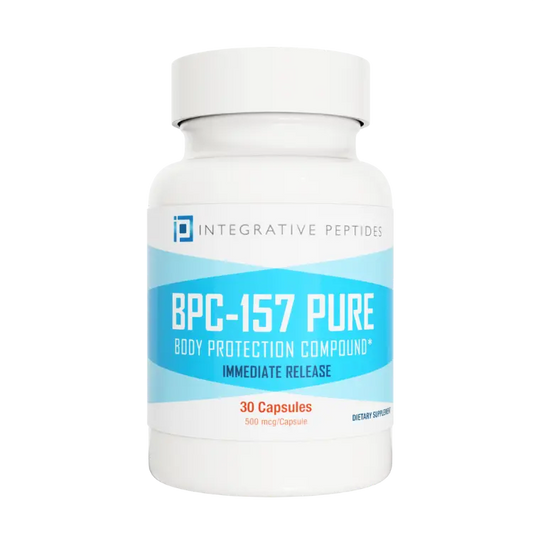
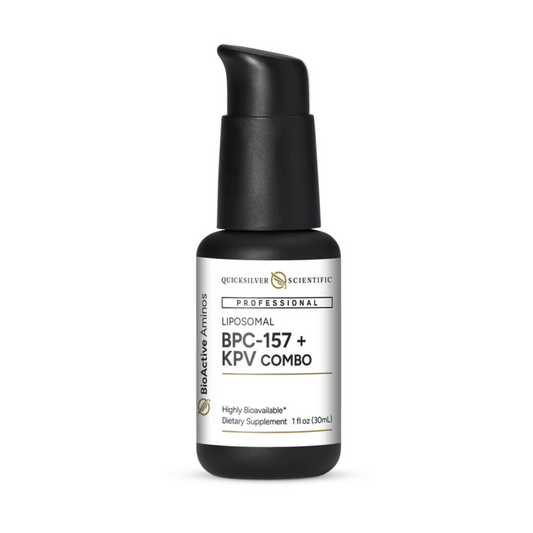
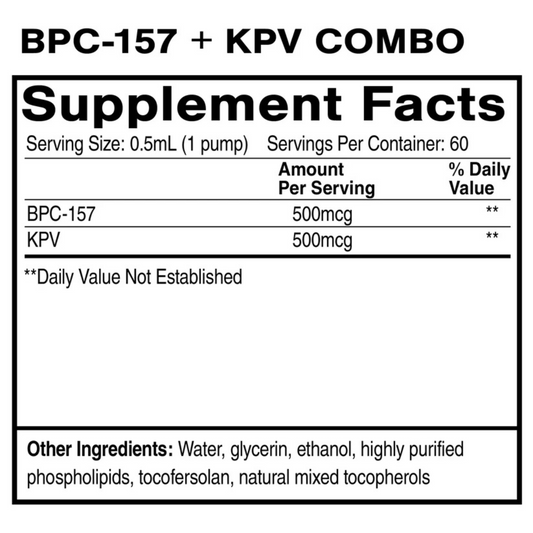
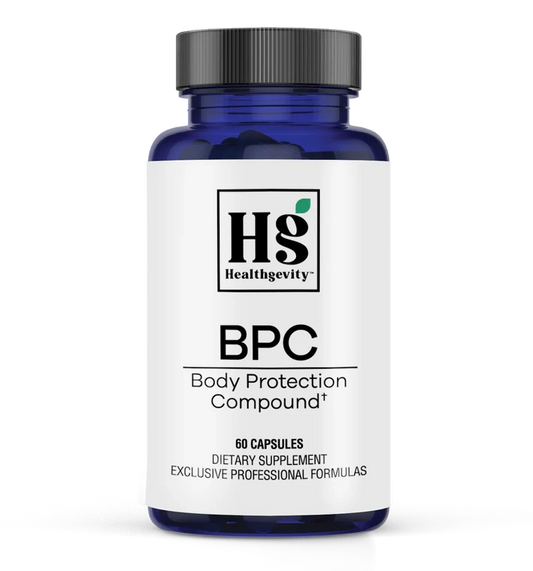
Ordered Evexias BPC157 again from Regen. Best price and super fast order execution and delivery.
Thanks, Teresa! BPC LPT by Evexias is one of our personal favorites, too.